Protecting Older Adults Aging in Recovery

As America ages, increasing attention is being paid to elder abuse, neglect, exploitation, and caregiver misconduct. Yet one population remains largely absent from both aging and recovery discussions: older adults aging in recovery.
Research suggests that approximately one in twenty older adults experiences some form of abuse each year, although experts believe the true rate is significantly higher because elder abuse remains substantially underreported. Abuse can occur in private homes, assisted living facilities, nursing homes, hospitals, and community settings. It may be perpetrated by family members, caregivers, acquaintances, or professionals entrusted with providing care.
When people hear the term elder abuse, they often think of physical violence. In reality, elder abuse takes many forms, including physical abuse, emotional abuse, neglect, abandonment, sexual abuse, and financial exploitation.
Financial exploitation has become a growing concern as older adults accumulate retirement savings, pensions, Social Security benefits, and other assets. Unscrupulous individuals may seek to manipulate, deceive, or isolate vulnerable older adults for financial gain.
For individuals aging in recovery, the risks may be compounded by factors that are rarely discussed in either aging services or recovery services.
Many older adults in recovery live alone. Some never married. Others are divorced, widowed, or geographically separated from family members. While many maintain strong recovery networks, these networks may not be equipped to provide long-term caregiving support as health conditions emerge. As mobility declines and assistance becomes necessary, older adults may become increasingly dependent upon paid caregivers, home attendants, family members, or institutional care settings.
This growing dependence creates opportunities for abuse, neglect, exploitation, and loss of autonomy.
The issue is not merely individual misconduct. It is also a systems issue.
Most aging services are not recovery-informed. Likewise, most recovery services were not designed to address the realities of aging. As a result, older adults aging in recovery often find themselves navigating complex healthcare, social service, and long-term care systems that may have little understanding of the role recovery plays in their lives.
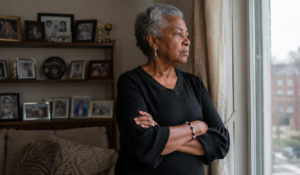
Recovery-informed care can serve as a protective factor against abuse.
Caregivers trained to understand recovery are more likely to recognize the importance of personal dignity, self-determination, social connection, purpose, peer support, and continuity of recovery practices. They are also more likely to identify changes in behavior, social withdrawal, financial irregularities, caregiver conflicts, and other warning signs that may indicate abuse or neglect.
At Never Alone Home Care Services (NAHCS), we believe that protecting older adults aging in recovery requires more than responding to abuse after it occurs. It requires building recovery-informed systems that promote safety, independence, dignity, and quality of life.
The future Aging in Recovery Residential Model (ARRM) is based upon the same principle. Older adults should not have to choose between receiving care and maintaining their recovery identity. Long-term care environments can and should be designed to support both healthy aging and recovery.
As the population of older adults aging in recovery continues to grow, elder abuse prevention must become part of the broader conversation about aging, recovery, caregiving, and long-term support services.
Recovery may begin with overcoming addiction, but the journey does not end there. Protecting recovery, dignity, and safety throughout the aging process is the next challenge facing our communities, service systems, and policymakers.
Read the full article Elder Abuse, Vulnerability, and the Emerging Needs of Older Adults Aging in Recovery: A Conceptual Framework for Social Work Practice and Policy